Vacuum pumps, like any mechanical system, require routine maintenance and occasional part replacements to keep running efficiently. Whether you need new vanes, filters, gaskets, bearings, valves, or oil, understanding the cost of vacuum pump replacement parts can help you plan maintenance budgets and avoid unexpected downtime.
In this guide, we’ll provide general price ranges for common vacuum pump replacement parts, explain the factors that influence pricing, and highlight why choosing high-quality or OEM (Original Equipment Manufacturer) parts is essential for long-term performance.
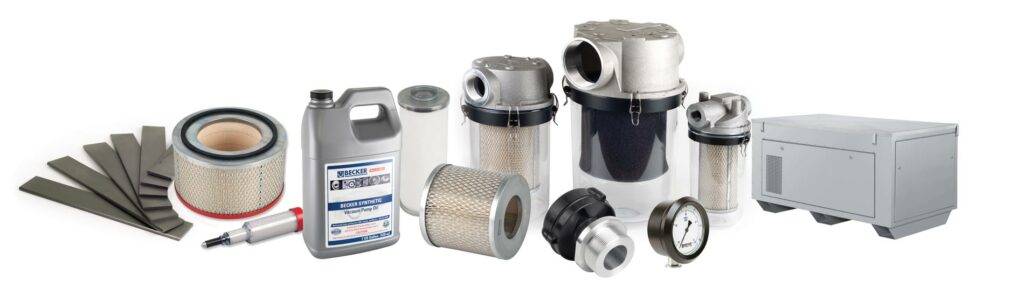
Typical Price Ranges for Vacuum Pump Replacement Parts
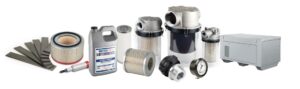
The cost of vacuum pump replacement parts varies depending on the pump model, part type, material quality, and whether the part is OEM or aftermarket. Below are estimated price ranges for common replacement parts:
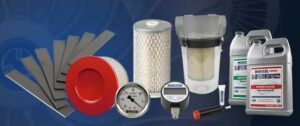
- Vanes: $140 – $4,600 per set (varies by pump size and material)
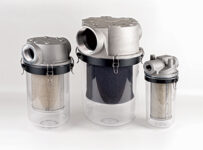
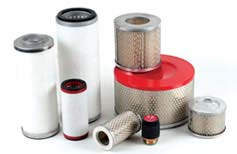
- Filters (Inlet, Exhaust, and Oil Mist): $30 – $1,000 each
- Gaskets and Seals: $50 – $150 per piece
- Bearings: $25 – $400 each
- Valves (Check, Relief, or Inlet): $170 – $360 each
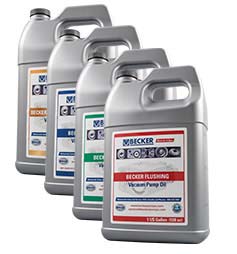
- Vacuum Pump Oil: $80 – $150 per gallon (varies by type and formulation)
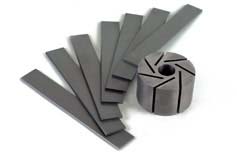
Keep in mind that these are general price ranges, and costs can fluctuate based on specific pump models and part availability.
Factors That Affect Replacement Part Costs
Several factors influence the cost of vacuum pump replacement parts, including:
1. Pump Model and Size
Larger, high-capacity pumps require more robust components, which can be more expensive. Additionally, specialized or high-performance vacuum pumps may require precision-engineered parts that come at a premium.
2. Part Type and Material Quality
Replacement parts made from higher-quality materials, such as carbon composite vanes or heavy-duty filters, tend to cost more but offer greater durability and efficiency.
3. OEM vs. Aftermarket Parts
- OEM parts (made by the original manufacturer) are specifically designed for your vacuum pump model, ensuring a perfect fit and optimal performance. These parts often cost more but provide superior reliability and longevity.
- Aftermarket parts (produced by third-party manufacturers) may be cheaper but can vary in quality and compatibility. Using non-OEM parts could lead to performance issues or premature wear.
4. Order Volume and Availability
Buying in bulk can sometimes lower the cost per unit, especially for consumable items like filters and oil. Another advantage of buying in bulk is having critical parts/components on hand in case of need, mitigating downtime.
The True Cost of Choosing Cheaper Parts
While it might be tempting to save money by opting for lower-cost or aftermarket parts, this decision can lead to costly long-term issues, including:
- Reduced Pump Efficiency – Inferior vanes or gaskets can cause leaks or improper vacuum levels.
- Increased Maintenance and Downtime – Cheaper parts often wear out faster, requiring more frequent replacements.
- Potential Equipment Damage – Using non-OEM parts that don’t fit properly can cause mechanical failures and costly repairs.
Investing in high-quality, OEM replacement parts ensures that your vacuum pump operates at peak performance, extends its lifespan, and reduces overall maintenance costs.
Need Replacement Parts? Becker Can Help!
We have decades of experience providing high-quality vacuum pumps and genuine replacement parts designed for long-lasting performance. Our Parts Department can help you find the right components for your pump model and provide accurate pricing. Use the link below to speak with a parts specialist.