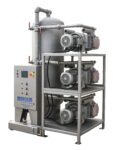
In hospitals and healthcare facilities, reliability is non-negotiable. All systems must operate seamlessly around the clock, and vacuum systems are no exception.
Historically, the medical industry relied on oil-lubricated or dry rotary vane vacuum pumps to meet these needs. But over time, hospitals have turned to claw pumps more frequently due to their minimal maintenance requirements and additional benefits.
This blog will discuss why claw vacuum pumps are becoming the preferred solution in medical vacuum systems, with a special focus on their low-maintenance advantage.

1. LOW-MAINTENANCE OPERATION FOR CRITICAL ENVIRONMENTS
Unlike rotary vane pumps, which require regular servicing and replacement of vanes, claw pumps operate with minimal maintenance. Many claw pump models can run for up to 20,000 hours before routine maintenance and inspection is required. For hospitals that run vacuum systems continuously—24/7, 365 days a year—this level of durability is a game-changer.
This means fewer interruptions for scheduled maintenance, lower costs for spare parts and service labor, and greater uptime for critical care systems.
While the term “maintenance-free” gets thrown around in the industry, it’s more accurate to say that claw pumps require far less frequent and less hands-on maintenance. For facilities without in-house engineering staff, this translates into peace of mind and lower risk of unexpected downtime.
2. CONTINUOUS, CONTACTLESS OPERATION
A key reason claw pumps require less maintenance is their contactless design. The rotors in a claw pump don’t touch each other or the housing, which significantly reduces internal wear. No friction means no need for oil lubrication and far fewer internal components to service or replace.
In medical environments where pumps must run for years on end without failure, this design is ideal. And when the time finally comes for service, a full pump overhaul every 20,000 hours is a relatively infrequent and predictable event.
3. IMPROVED EFFICIENCY & TOTAL COST OF OWNERSHIP
While claw pumps often come with a higher upfront price tag than rotary vane models, they offer superior long-term value. Between fewer maintenance events, longer service intervals, and improved energy efficiency (especially when paired with variable frequency drives), claw pumps deliver a lower total cost of ownership over the life of the system.
Many healthcare networks are already moving toward technologies that reduce long-term operating costs, and claw pumps align with that trend.
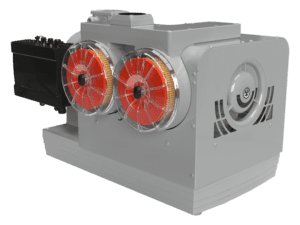
A MODERN SOLUTION FOR A CHANGING INDUSTRY
In recent years, a major hospital system’s shift toward claw pump technology helped tip the industry in a new direction. As regulations grow stricter and efficiency becomes a bigger focus, hospitals are increasingly interested in technologies that check multiple boxes: low noise, reduced energy usage, reliable uptime, and minimal service requirements.
Becker’s claw vacuum pumps answer that call, and we’re proud to offer a full range of options tailored for medical applications. Plus, with our commitment to superior customer service and strong US lead times, Becker is ready to support your transition to claw pump technology.
READY TO UPGRADE YOUR MEDICAL VACUUM SYSTEM?
If you’re considering upgrading from rotary vane pumps or looking to build a new medical vacuum system from the ground up, our team can help you weigh your options. With a full range of claw vacuum pump models, Becker gives you the flexibility to choose what’s best for your application, budget, and service requirements.