When choosing a vacuum pump, maintenance is often one of the biggest considerations. Downtime, labor, replacement parts, and service contracts all add up, not just in cost, but in time and productivity. That’s why more and more businesses are turning to claw vacuum pumps, a technology known for its low-maintenance design and long-term durability.
But what does “low maintenance” actually mean when it comes to claw pumps? This blog will explain what makes claw pumps require such little maintenance and how their maintenance requirements compare to other pump options.
CONTACT-FREE OPERATION REDUCES WEAR
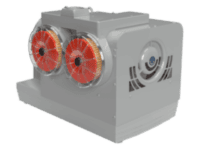
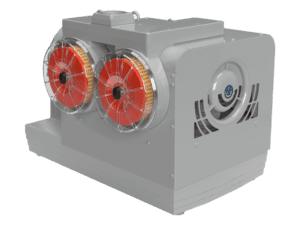
Claw vacuum pumps use two rotors that rotate in opposite directions without ever touching. This contactless operation means there’s no internal friction, no wear between the claws, and no need for oil lubrication inside the pumping chamber.
Fewer moving parts making contact means less internal wear, and significantly fewer components that need regular servicing or replacement.
NO ROUTINE PART REPLACEMENTS
Rotary vane pumps, while reliable and cost-effective upfront, require frequent maintenance, including the regular replacement of vanes. Depending on the application, this might happen multiple times per year. Each time, the pump needs to be opened, cleaned, and resealed, consuming time and technical resources.
Claw pumps eliminate this step. There’s no vane wear and no recurring internal maintenance required during normal operation.
Easy to Maintain. Built for Reliability
Some vacuum systems are installed in facilities that don’t have an in-house maintenance team or vacuum technician. For these customers, pump reliability and service simplicity are critical.
Claw pumps reduce the need for specialized service skills. In many cases, the only ongoing requirement is a basic visual inspection of filters (which, on Becker claw pumps, are clear for easy monitoring).
And when service is eventually needed, Becker provides full support for overhauls, maintenance, or replacements. Becker also offers factory repair and mobile service for more minor repairs.

EXTENDED SERVICE INTERVALS
Claw pumps are engineered for long-term use. Many models can operate up to 20,000 hours—over two years of 24/7 operation—before requiring a maintenance service.
And because maintenance needs are so infrequent, they can be planned well in advance, reducing unplanned downtime and simplifying maintenance schedules for busy teams.
IDEAL FOR 24/7 APPLICATIONS
Claw vacuum pumps are built for non-stop, high-demand applications like:
- Medical vacuum systems
- Automation and pick-and-place systems
- Pneumatic conveying
- Food and plastics packaging
- Pharmaceutical production
In these environments, vacuum pumps can’t afford to go offline for regular service. Claw pumps provide the reliability and endurance needed for continuous use, without the hassle of ongoing maintenance.
LOW MAINTENANCE DOESN’T MEAN NO MAINTENANCE, BUT IT’S CLOSE
To be clear, “low maintenance” isn’t the same as “maintenance-free.” Over time, even claw pumps require service. The maintenance you can expect from a claw pump is as follows:
- Regular inspection of the filters – This means visually inspecting them and blowing them out as needed. It is recommended to replace the filters at least once per year. The maintenance interval for filter inspection, cleanings, and replacements will vary from application to application (filter maintenance is required for every pump technology). At the time filter inspections are done, it is advised to also check the oil level and clean off any dust/debris built up on the pump.
- Gear oil changes – While the compression chamber–or working chamber–of a claw pump is oil-free, claw pumps do have a gear chamber which requires oil for the pump to operate. The oil must be replaced every 20,000 running hours or after 3 years, whichever comes first.
CLAW VACUUM PUMPS: BUILT FOR LONG-TERM PERFORMANCE
At Becker, we’ve engineered our claw vacuum pumps to minimize the maintenance burden without compromising performance. With integrated filters, compact design, and energy-efficient options like our VARIAIR models, Becker pumps are ready for the long haul.
Whether you’re upgrading an existing vacuum system or designing a new one, our team can help you evaluate your options and choose the pump that best fits your maintenance goals and operational needs.